


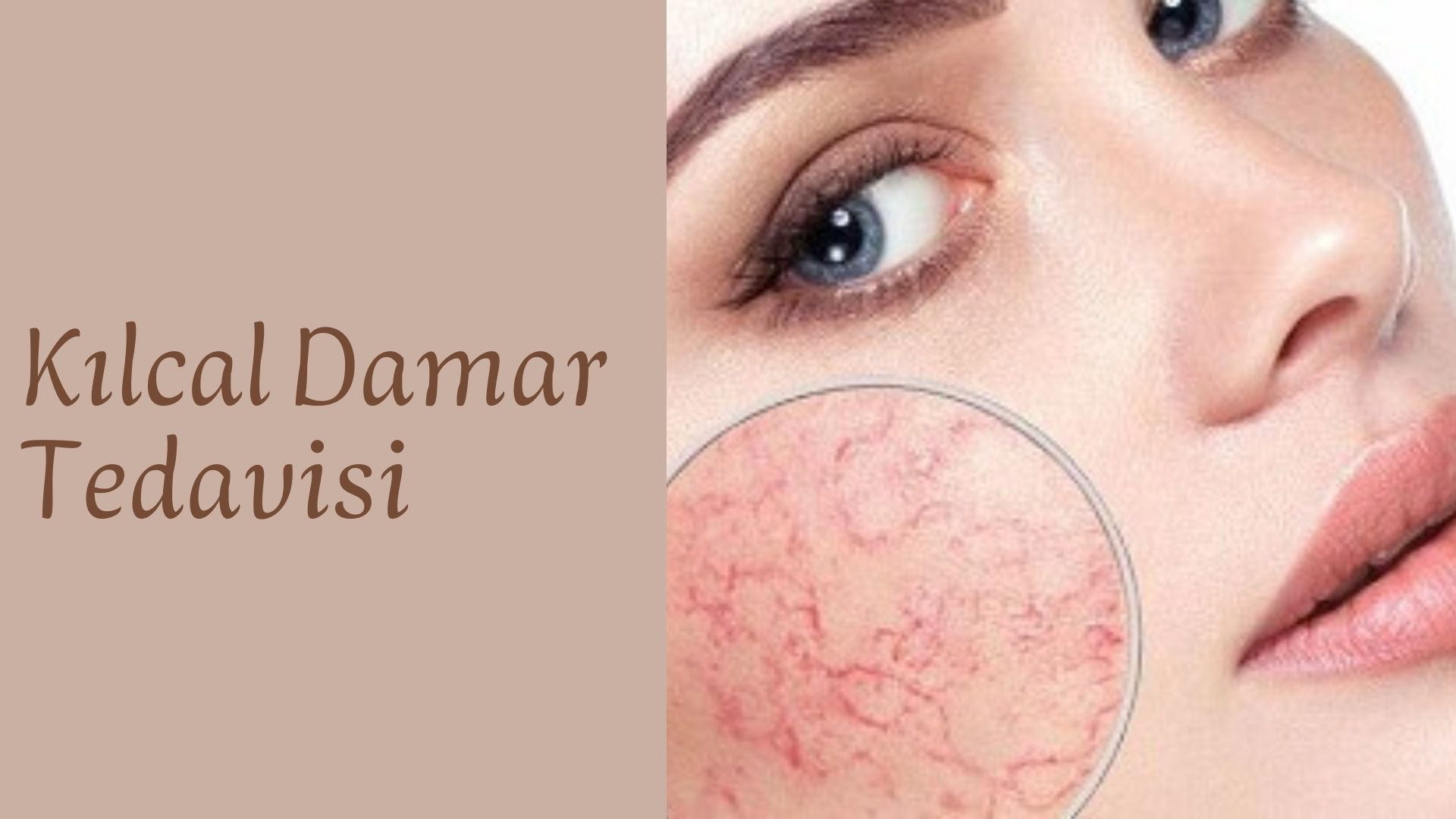
Capillary Treatment
Don't Let Thin Veins Be a Big Problem
Do you notice thin red-purple lines that look like a spider web on your cheeks or legs? This appearance, which is often encountered as an aesthetic problem, is actually capillary dilation. This condition, called "telangiectasia" in medical terms, can now be easily controlled with modern treatment methods.
So why do capillaries form, how are they treated and which method is the most effective? Here are all the details you are curious about...
What is Capillary Dilation?
Capillaries are the thinnest vascular structures located just under the skin. For some reasons, these veins expand and become visible from the skin surface. They are usually red, purple or blue in color and in the shape of a spider web. The face, nose, cheeks, legs and around the knees are the most common areas.
Why Do Capillaries Form?
Genetic predisposition
Long-term exposure to the sun
Hormonal changes (pregnancy, birth control pills)
Skin thinning and aging
Excessive hot-cold differences
Alcohol consumption or chronic skin sensitivity (rosacea)
Standing for long periods of time or circulatory disorders
These factors can weaken the vascular walls and cause them to widen and become visible over time.
How is Capillary Vein Treatment Performed?
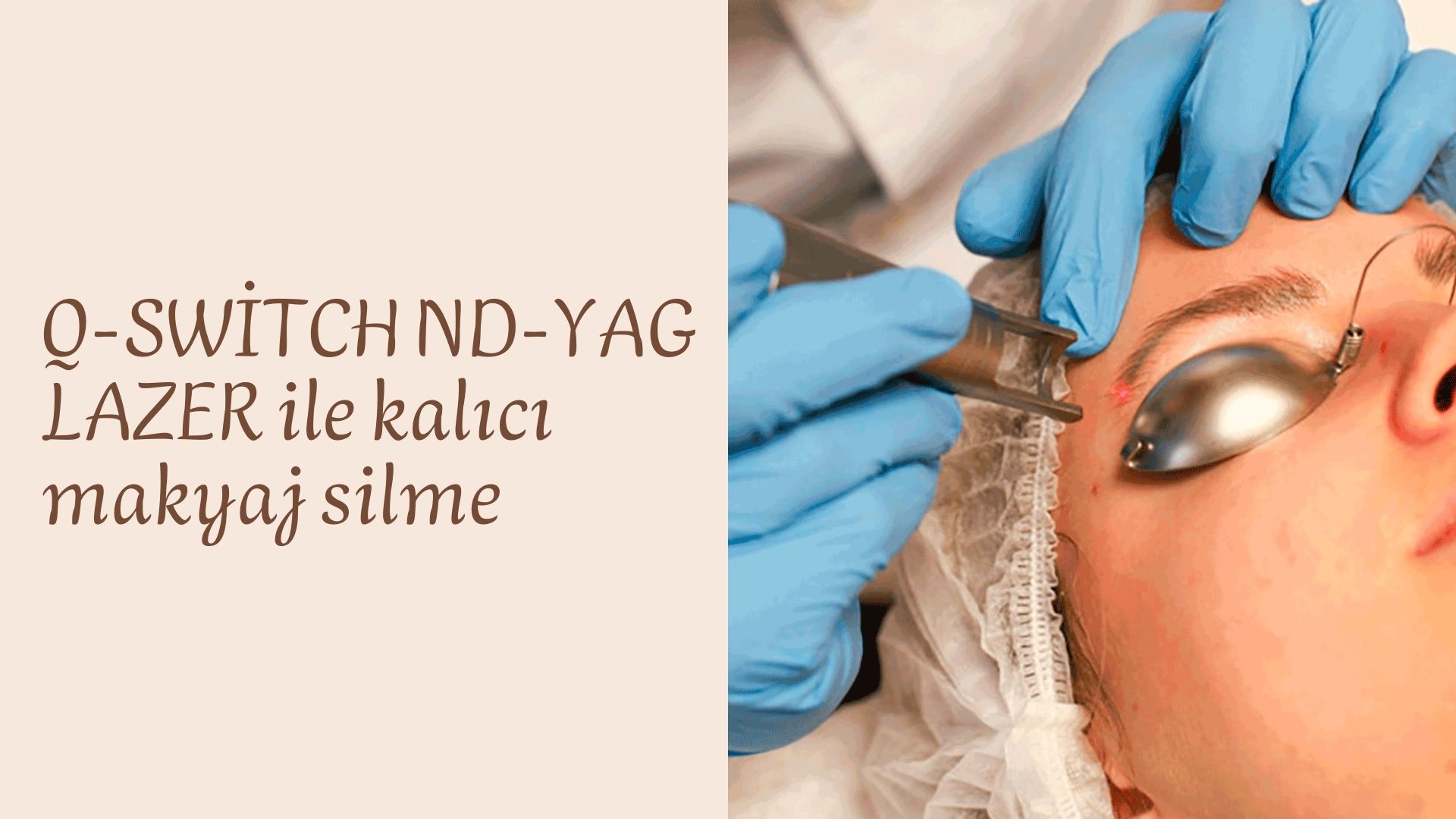
The most effective and reliable method in capillary vein treatment is laser applications. Today, especially Nd:YAG laser and IPL (intense pulsed light) systems give successful results in the treatment of such veins.
???? Treatment with Nd:YAG Laser
The Nd:YAG laser with a wavelength of 1064 nm can reach deep capillaries. The laser light is absorbed by the hemoglobin in the vein and turns into heat, destroying the vascular structure. The vein is absorbed by the body over time and disappears.
???? IPL (Intense Pulsed Light)
It is preferred for more superficial and widespread vein appearance. It also has a skin tone equalization effect.
???? Sclerotherapy
A solution that destroys the vein wall is given into the vein with the injection method used for capillary veins in the legs. It is more suitable for the legs rather than the face.
How Many Sessions Are Required?
The need for treatment varies depending on the person. Generally:
1–3 sessions are sufficient
Sessions are planned at 3-4 week intervals
Up to 6 sessions may be required for some resistant veins
A significant decrease in appearance can be observed from the first application.
Does the Application Hurt?
There may be a slight stinging or warm feeling during the treatment. However, comfort is quite high thanks to the local anesthetic creams applied before the procedure. You can usually return to social life immediately after the laser.
What to Consider After the Procedure?
Sun protection is very important; High protection sunscreen should definitely be used
Extremely hot environments and exercise should be avoided for a few days after the procedure
There may be slight redness and crusting, it will go away on its own
Blood thinning medications should be arranged with the doctor's recommendation before and after the procedure
What are the advantages?
✔️ No surgical incision or stitches required
✔️ Effective results in a short time
✔️ Short recovery period
✔️ Can be applied to many areas such as the face, nose, legs
✔️ Permanent effect can be achieved with repeated applications
Who is Not Suitable For?
Those with active infection
Pregnant women
Areas with open wounds on the skin
Those with laser sensitivity
Those who have used isotretinoin (Roaccutane) in the last 6 months
These people should receive a detailed doctor's evaluation before starting treatment.
Conclusion: Fine Lines on Your Skin, Only Stay on Your Smile
Capillary vessels may be an aesthetic problem, but there is a solution. Laser treatments erase excessively visible veins without damaging your skin, balance skin tone and give it a healthier appearance. Moreover, the process is completed in a short time and its effect lasts for a long time.
Remember, skin health is possible not only with care products; but also with the right diagnosis, the right technology and expert touch.
 Call
Call
 Whatsapp