


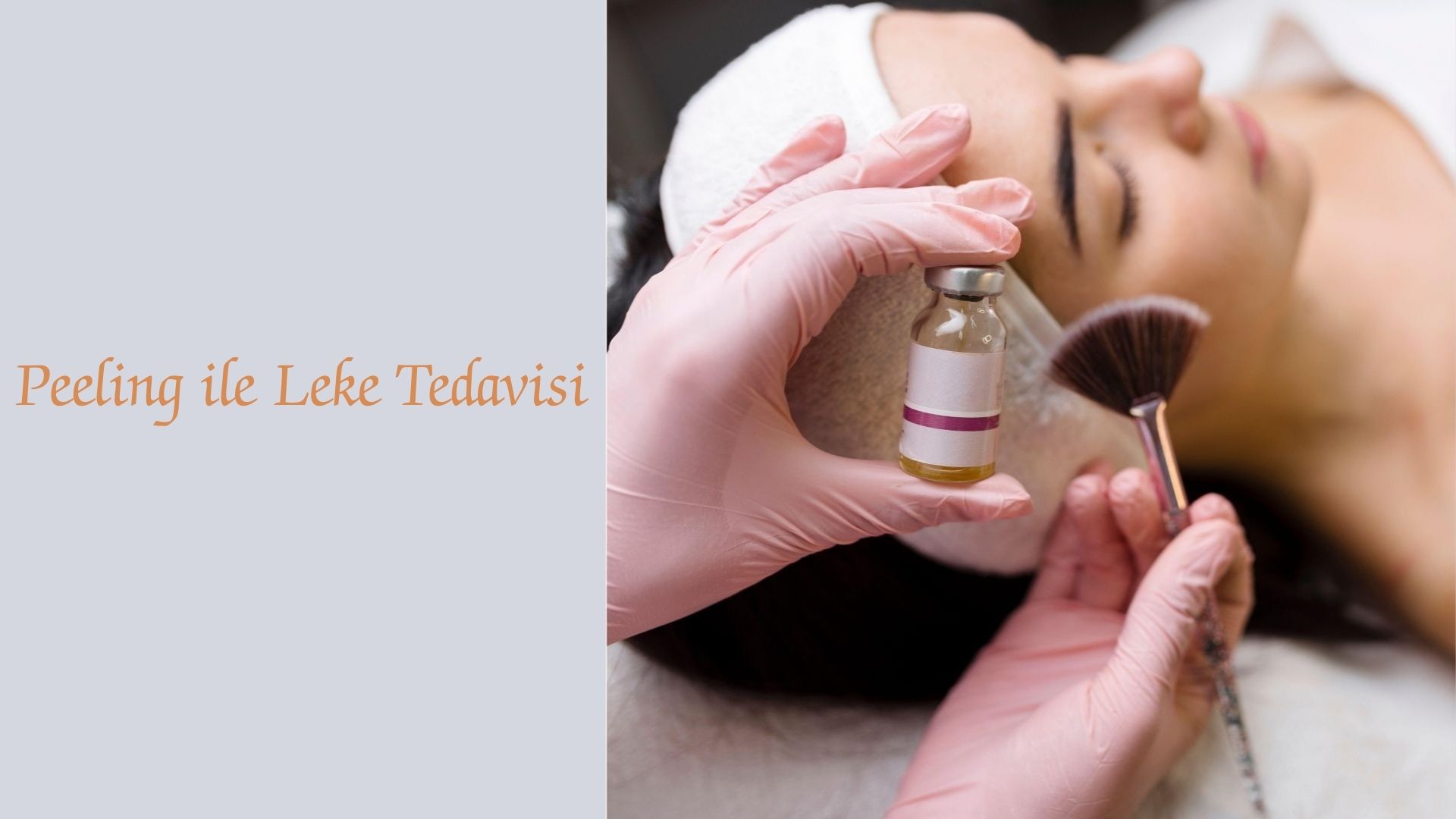
Peeling Stain Treatment
Re-Brighten Your Skin
Skin blemishes can occur for many reasons such as sun exposure, aging, acne scars or hormonal changes. Over time, dullness, uneven tone and a worn appearance occur on the skin. Fortunately, there are effective solutions to deal with these blemishes. Peeling stain treatment is a modern method that renews the skin by peeling, equalizes its tone and provides brightness.
What is Peeling?
Peeling is a process that removes dead cells from the upper layer of the skin in a controlled manner and allows new and healthy skin to emerge from underneath. In this way, both blemishes are reduced and the general appearance of the skin is refreshed. Peeling can be done by chemical, enzymatic or mechanical means.
How is Peeling Stain Treatment Applied?
One of the most frequently preferred methods in blemish treatment is chemical peeling. In this process, special acid contents (glycolic acid, salicylic acid, TCA, etc.) selected according to the skin type and the depth of the blemish are applied to the skin. These solutions:
Cleanses dead cells on the skin surface,
Reduces melanin accumulation,
Supports new cell production,
Provides a bright and homogeneous appearance on the skin.
The procedure usually takes 10-15 minutes and the desired result is achieved with 3-6 sessions applied a few weeks apart.
What Stains is Peeling Good for?
Peeling is especially effective on the following types of stains:
Sun spots (solar lentigo)
Melasma that occurs after pregnancy
Acne scars
Skin tone inequalities
Age spots
However, since each stain type and skin structure is different, a dermatologist evaluation is essential before treatment.
What Should Be Considered During and After the Treatment Process?
After peeling, slight redness, peeling and sensitivity may be seen on the skin. This is completely normal and goes away in a few days. After the application, you should definitely:
Use sunscreen,
Keep the skin moist,
Do not force the skin to peel after peeling,
Avoid makeup and aggressive skin care products for a while.
The results obtained with regular care after the treatment can be maintained for a long time.
Who is Not Suitable for Peeling?
People with active infection or open wounds
Those with a very weak skin barrier
Those with a history of allergy or sensitivity
Some acidic ingredients are not recommended during pregnancy
Therefore, the suitability of each individual for treatment should be evaluated by a dermatologist.
Conclusion: Radiant and Spotless Skin is Possible
Peeling and spot treatment is an effective and safe method for both lightening skin spots and improving skin quality. With correct skin analysis, appropriate product selection and applications performed by expert hands, achieving healthy, fresh and spotless skin is no longer a dream.

 Call
Call
 Whatsapp