


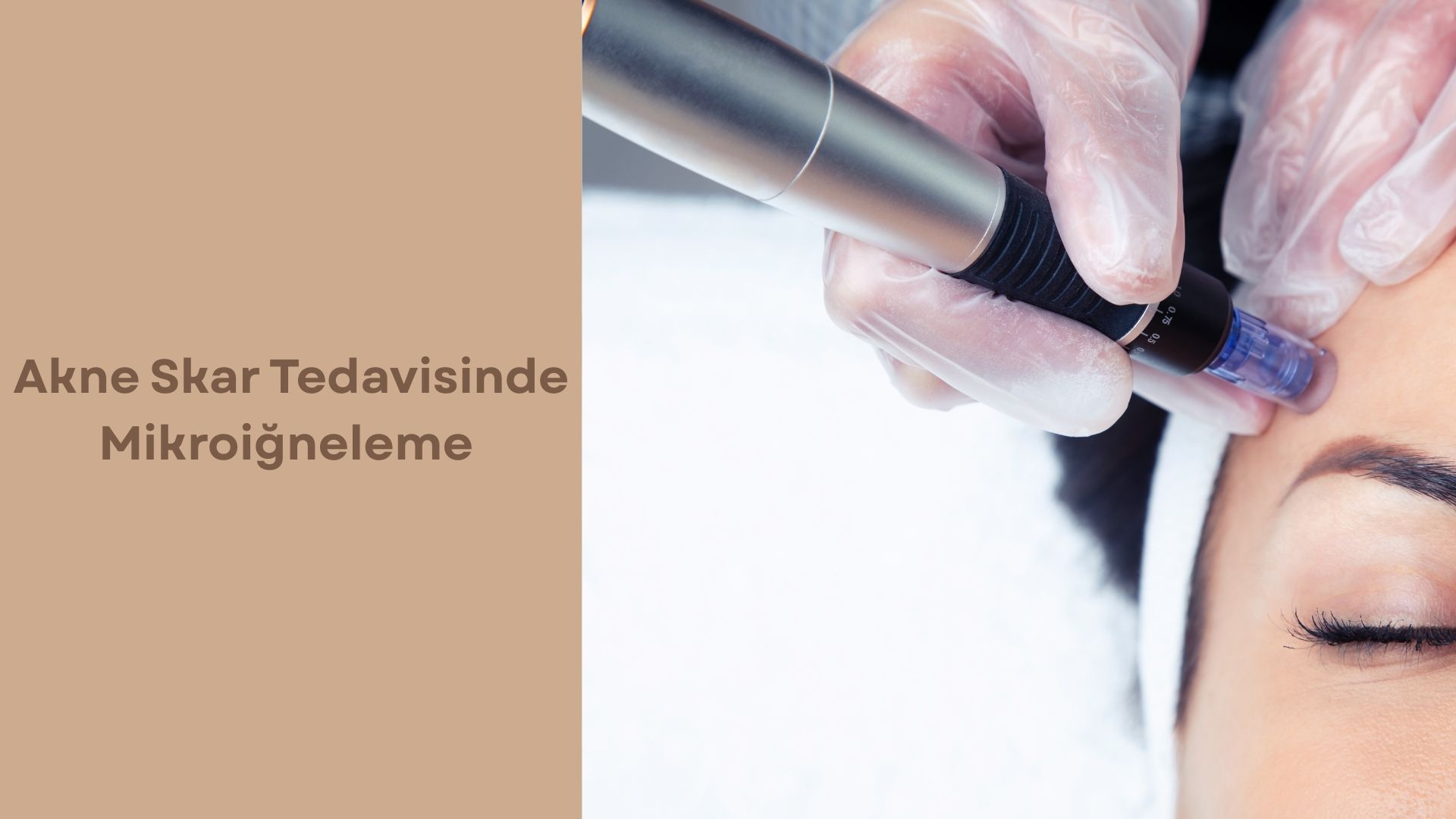
Microneedling is a minimally invasive dermal stimulation method used in the treatment of atrophic acne scars. This procedure creates controlled microtrauma in the dermis by opening microchannels on the skin surface, activating the body's natural wound healing mechanisms.
Atrophic scars occur due to the breakdown of the dermal matrix, causing depressions on the skin surface. Microneedling targets dermal fibroblasts while minimally damaging the epidermis. The tissue regeneration process initiated after the procedure results in thickening of the skin tissue, increased elastin synthesis, and an improvement in overall skin smoothness.
The treatment is usually repeated at 4–6-week intervals, and several sessions may be necessary depending on the severity of the scar. Additionally, serums containing growth factors, peptides, or hyaluronic acid, applied subcutaneously during microneedling, may enhance the effectiveness of the treatment. These combinations facilitate transepidermal delivery, allowing target ingredients to reach deeper layers.
The results achieved with microneedling become apparent over time, including a reduction in scar depth, tightening of skin texture, and improvement in tone. The procedure is a safe and effective non-surgical treatment alternative that largely preserves epidermal integrity, providing natural and long-term skin rejuvenation.
 Call
Call
 Whatsapp